Privacy and openness create different demands
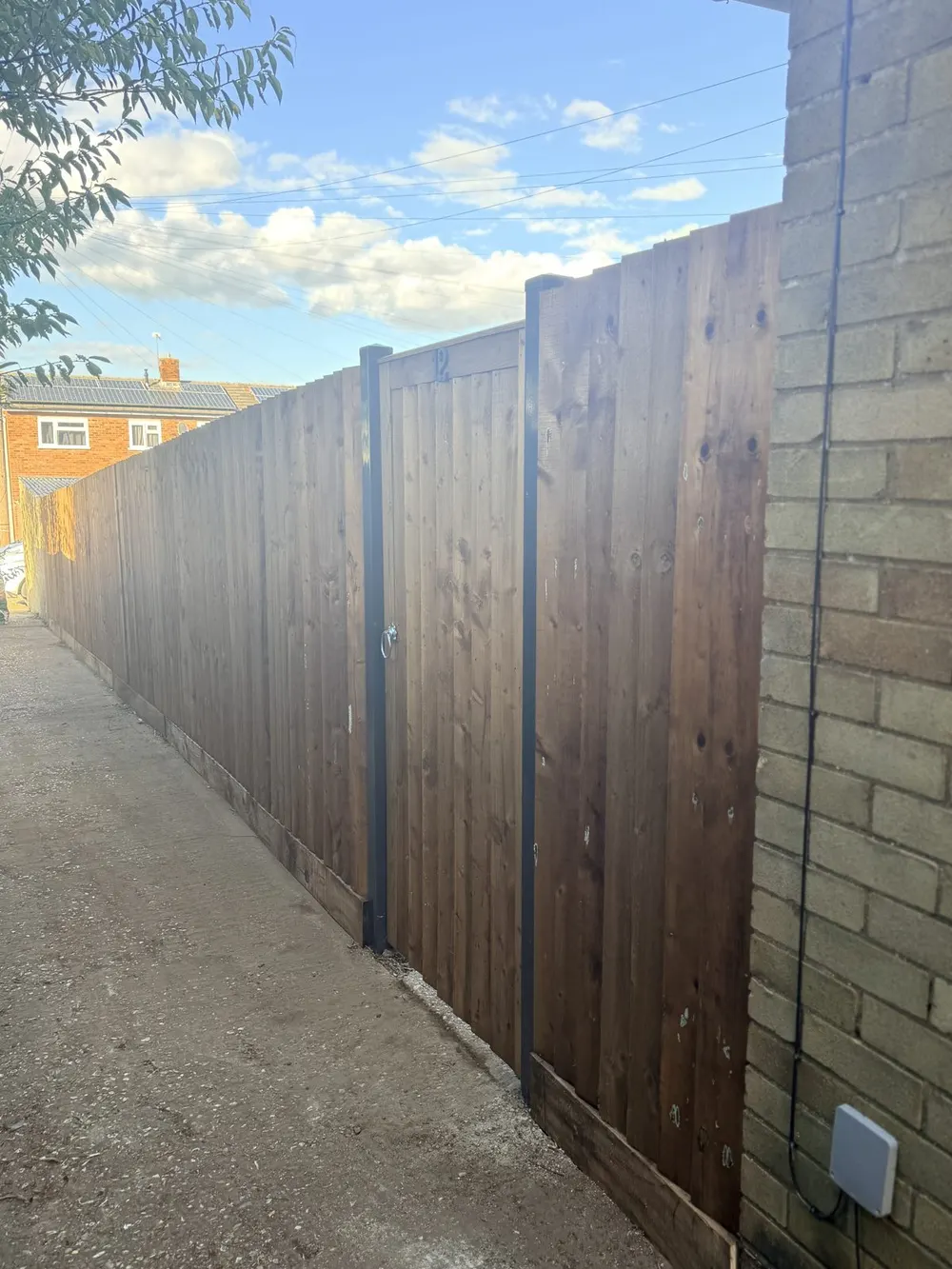
A solid fence can screen seating areas and reduce overlooking at garden level, but it also presents a larger surface to the wind. Close board fencing is worth considering where privacy is the priority. Its height, supporting structure and relationship with nearby buildings still need to suit the individual site.
For a more open edge, post and rail fencing defines a boundary without providing the same visual screen. That may suit a larger plot or an outlook you want to retain. It should not be presented as a privacy solution, and any need to contain animals requires a separate discussion about the complete fence design.
Assess exposure and ground at the property
King's Lynn sits beside the Great Ouse and close to the Fen landscape, but that does not mean every garden has peat, soft ground or identical drainage. Conditions can vary across a property, especially where old foundations, filled trenches or previous landscaping interrupt the ground. Post positions should follow inspection, not a regional stereotype.
An exposed boundary in West Lynn can raise different questions from a sheltered garden in the old centre. Gaywood, South Wootton and North Wootton also contain varied plots, from established gardens to newer estates. Wind direction, gaps between buildings and the height of the proposed fence affect the loads the posts and fixings must resist. No design should promise immunity from future storms.
Post design is more than a depth figure
Post material, section size, spacing, embedment and the method of support need to work together. Fence height, ground conditions and exposure influence that choice. A single promised hole depth cannot establish whether every installation will be suitable, and a deeper hole is not automatically the answer to weak or disturbed ground.
Buried electricity cables, gas and water pipes, drains and private supplies must be considered before excavation. Available records, visible service routes and appropriate locating methods help inform safe positions, but plans alone may not show everything. Existing concrete and roots can also require a revised layout. Agree how unexpected obstructions will be handled before the old boundary is dismantled.
Repair the cause, not just the visible lean
A loose board does not necessarily justify replacing an entire fence. Equally, fixing fresh boards to decayed rails or unstable posts can leave the underlying failure untouched. The fence repair service is the relevant starting point when the condition of individual components needs to be weighed against replacement.
Check adjoining sections too. A damaged panel may be the obvious problem while neighbouring posts are already moving. The useful comparison is between a defined repair and a defined replacement, including removal of redundant materials and any disturbance to the surrounding garden. Avoid judging value solely by the amount of new timber visible.
Boundaries, access and the finished arrangement
Confirm ownership and the intended line using the available property documents, and discuss shared access with neighbours where relevant. An existing fence is not conclusive proof of the legal boundary. Height restrictions and planning requirements can also depend on location, particularly beside a highway or at a listed property.
In the old centre, narrow passages may influence how materials reach the garden. On estate plots, gates, bin storage and access for maintenance can determine where a fence should start or finish. Record those details alongside the fence specification so a new boundary does not obstruct everyday use.
See the main fencing service for the broader options, or return to the King's Lynn town page when tree, hedge or landscaping work also needs sequencing.