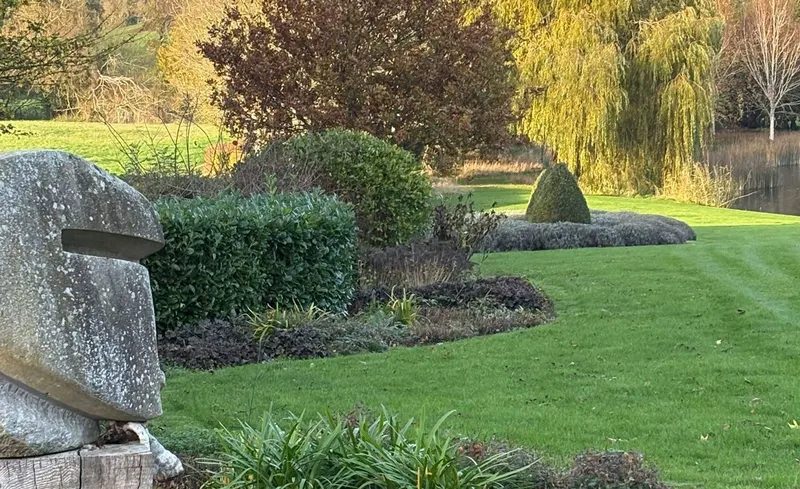
When a planting service makes sense
A new-build garden can look finished at the surface while builders' rubble or compacted fill sits just below it. In that situation, putting plants into isolated holes does not fix the bed. Craig clears the unwanted material and works the whole planting area so roots have prepared ground beyond the first pocket of soil.
You may also have a border that has repeatedly struggled, an empty area left after garden clearance, or a new lawn that now needs planting around its edges. Planting can help when a property is being readied for a sale or a let, or when you want the garden changed to need less ongoing attention.
The scale is flexible. Craig can take on a single bed without turning it into a larger project, while a whole garden can be reworked as one landscaping job.
How your planting job runs
Start by sending photographs and a short description, including pictures of the access route, or arrange a visit. Craig reads the site in person: how the light moves, whether fences or buildings create shelter, what the soil does and how you want to look after the finished area. He then gives you a clear quotation for the work you have agreed.
Preparation comes before setting anything out. Existing turf and perennial weeds are removed with their roots. The soil is loosened, rubble or compacted fill is cleared where it appears, and organic matter is worked through the whole bed rather than dropped into separate holes. Enough depth is allowed to place taller growth behind lower planting, so the bed has structure rather than becoming a narrow line.
Craig sets plants out in groups and spaces them for the size they are expected to reach in a few years. That means a new border may look open during its first season instead of being crowded for an instant effect. Once planted, everything is watered in and mulched. Green waste is taken away and the garden is left tidy. If the agreed job needs to change while work is under way, Craig talks it through with you first.
Planting options for the ground and upkeep
Around Brandon and the Breck, free-draining sandy soil can lose moisture quickly. Craig uses his horticultural knowledge to choose drought-tolerant planting for those conditions and works organic matter through the bed to help it hold moisture.
Heavier ground elsewhere in Suffolk and Norfolk behaves differently. It holds water and can remain wet during winter, so soil structure and drainage need attention before planting. The same service can produce a fuller border where you are happy to maintain it, or a planting area shaped around lower upkeep. The decision is based on how you want to use the garden and care for it afterwards.
Borders can be planned with new turf, gravel installation or fencing as one landscaping project. This lets lawn edges follow the border line and puts digging, access and material movements before the fresh planting. Young plants then need deep watering in dry spells during their first year, especially on sandy ground. Regular garden maintenance visits can cover the lawn, hedges, beds and seasonal tidying afterwards.